
Services
LCL shipping: shared container loads
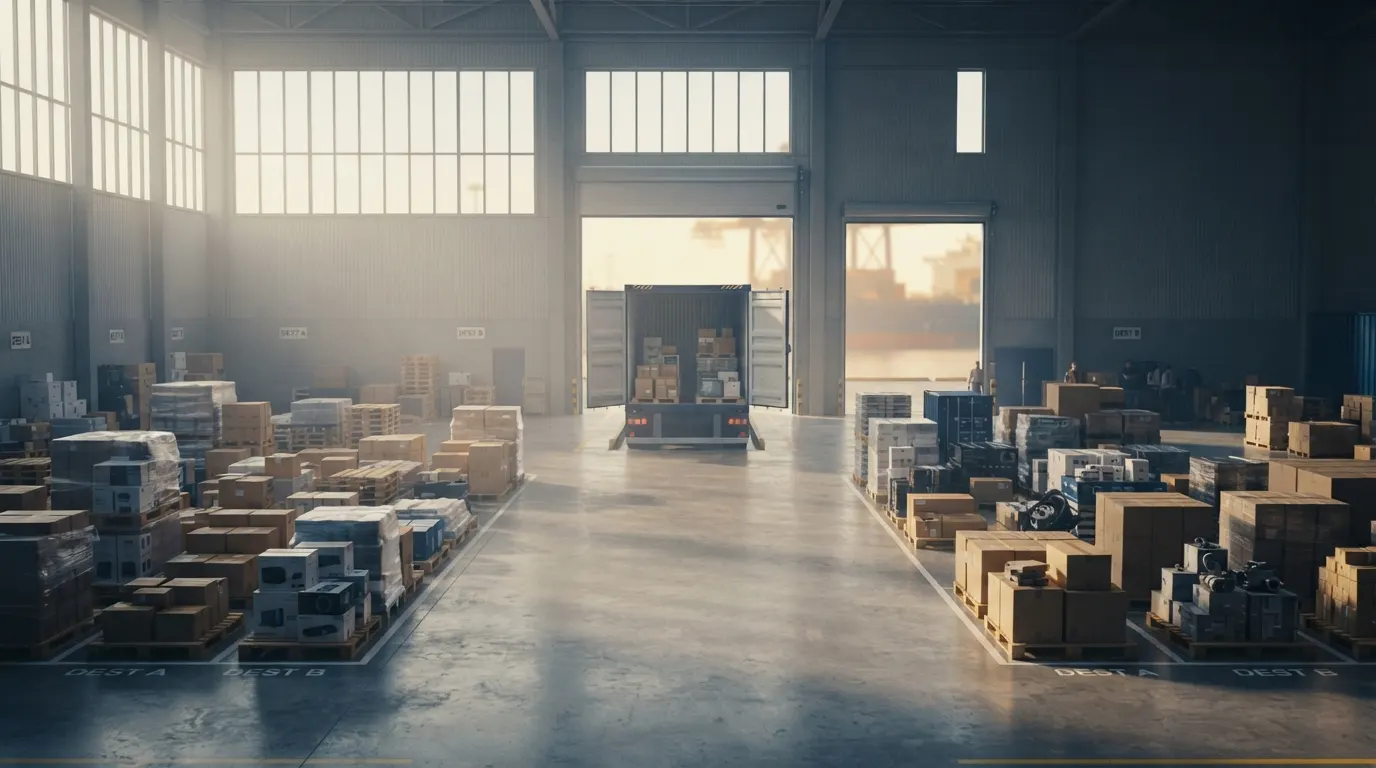
For smaller shipments, your cargo shares a container with other shippers' goods. You pay for the volume you use, not the whole box.
What’s included
- Cargo consolidated at a warehouse near the origin port
- Charges by volume (cubic metres) or weight
- Departures on the main trade lanes (your quote shows the next sailings)
- Documents prepared for each shipper
Good for
Growing businesses, samples and orders too small for a full container.
Shared container loads (LCL), step by step
01
Quote by volume
Send dimensions or cubic metres; you pay for the space your cargo takes.
02
Drop off at the warehouse
Deliver your cargo to the consolidation warehouse we give you with your booking.
03
Consolidated and loaded
Your goods share a container with other shippers and are loaded together.
04
Sailing
Updates at departure and each port call.
05
Unpacked and collected
The container is unpacked at destination and your cargo is ready to collect.
What to send us
- What you’re shipping
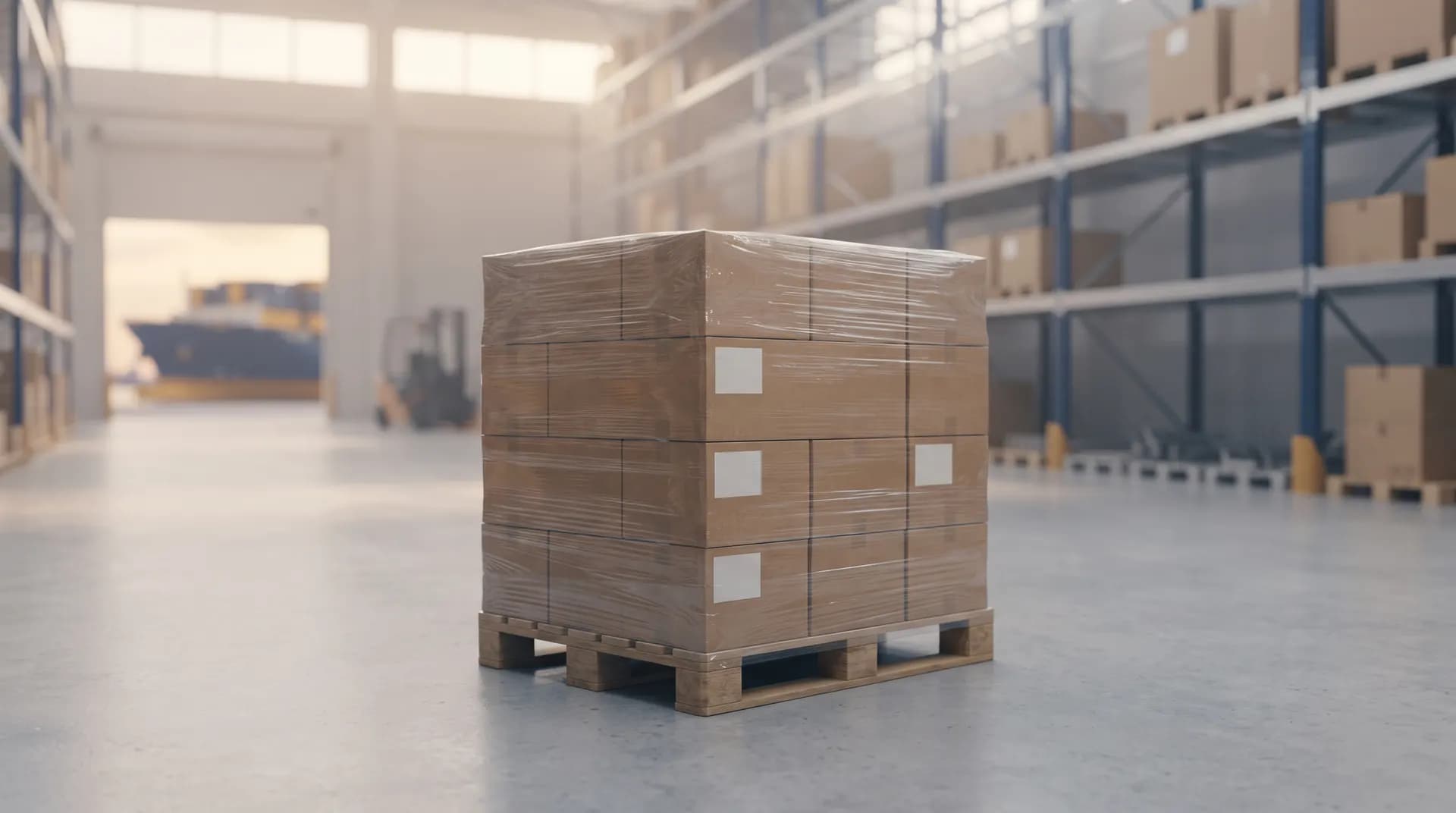
- Number of packages (cartons, pallets or crates)
- Size of each package, or the total volume in m³
- Total gross weight
- Whether the packages can be stacked
- Destination port and ready date
Documents you’ll need
- Commercial invoice
- Packing list with the size and weight of each package
- Export declaration (we arrange it)
- Certificate of origin, if the destination asks for one
- House bill of lading for your share of the container
Which container fits your cargo?
20ft standard
- Length
- 5.90 m
- Width
- 2.35 m
- Height
- 2.39 m
- Capacity
- about 33 m³
40ft standard
- Length
- 12.03 m
- Width
- 2.35 m
- Height
- 2.39 m
- Capacity
- about 67 m³
40ft high-cube
- Length
- 12.03 m
- Width
- 2.35 m
- Height
- 2.69 m
- Capacity
- about 76 m³
Typical internal dimensions of standard containers. Exact sizes vary slightly between container owners.
Questions about this service
How is LCL charged?
By volume or weight, whichever is greater: per cubic metre, or per 1,000 kg for heavy cargo. There’s usually a minimum charge, typically 1 m³; your quote shows it.
Is LCL slower than a full container?
Usually by a few days. The container is filled at a warehouse before it sails and unpacked at the other end. Time at sea is the same.
How should I pack my cargo?
On pallets or in strong cartons that can be stacked, each marked with your company name and destination. Shared containers are handled more than sealed ones, so good packing matters.
When is a full container better?
From roughly 13 to 15 m³, a 20ft container often costs about the same as LCL, and it travels sealed from your door. We’ll compare both when we quote.
More ways we can help
 01
Full container loads (FCL)
20ft, 40ft and high-cube containers for a single shipper.
Learn more 02
Refrigerated cargo
Temperature-controlled containers for food and pharmaceuticals.
Learn more 03
Project and oversized cargo
Machinery, vehicles and out-of-gauge loads.
Learn more 04
Customs and documentation
Bills of lading, certificates of origin and customs clearance.
Learn more
Ready when you are
Ready to ship your cargo?
Tell us what you’re moving and where. We’ll reply with a clear quote.